
In modern construction, manufacturing, and fabrication, speed, precision, and reliability are essential. Choosing the right fastener can significantly impact the quality, durability, and efficiency of any project. Among the most versatile fastening solutions available today are self-drilling screws.
Designed to eliminate the need for pre-drilling, self-drilling screws save time, reduce labor costs, and deliver strong, dependable joints across a wide range of materials. Whether you’re working on steel structures, roofing systems, HVAC installations, or industrial equipment, understanding how these fasteners work will help you make smarter fastening decisions.
What Are Self-Drilling Screws?
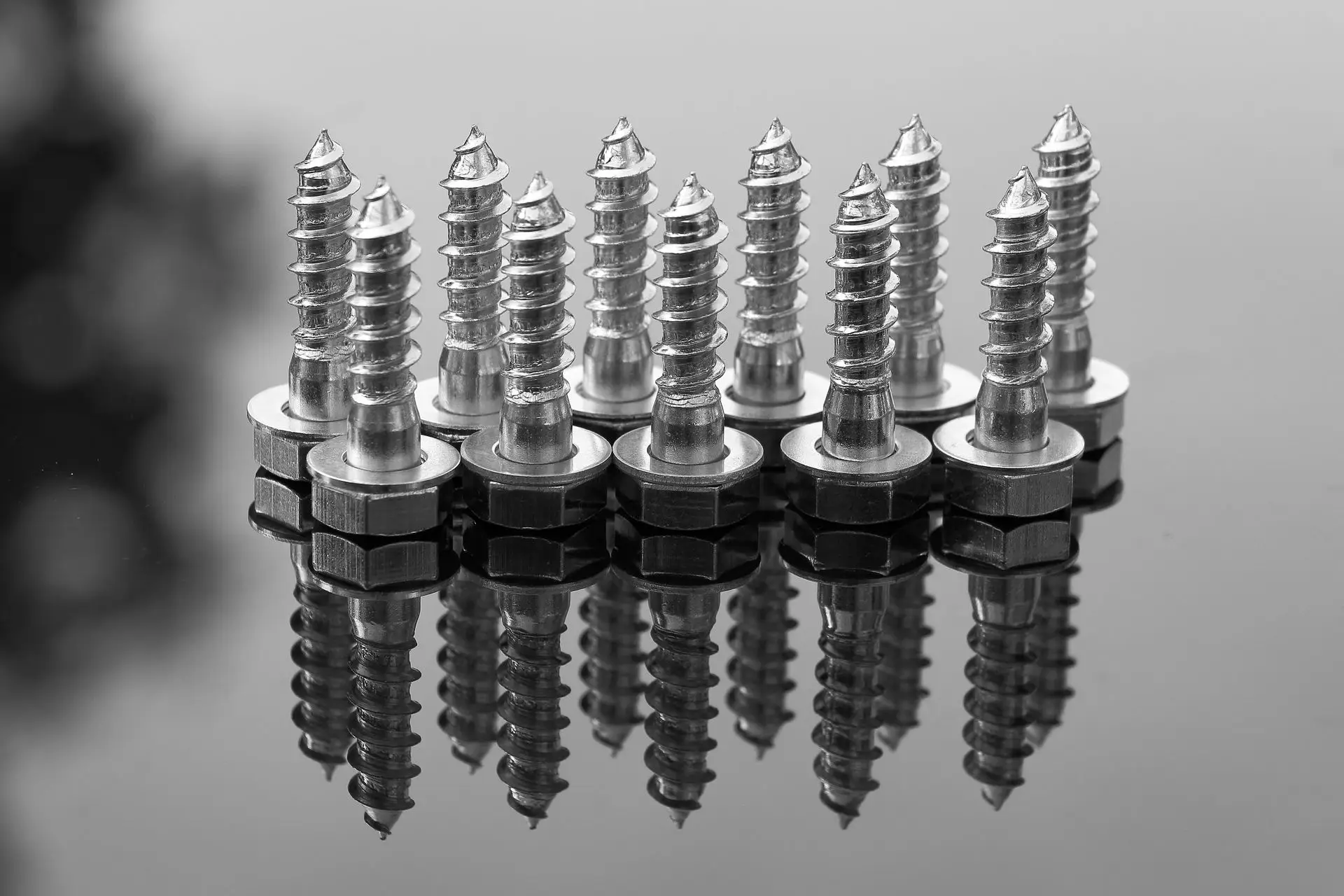
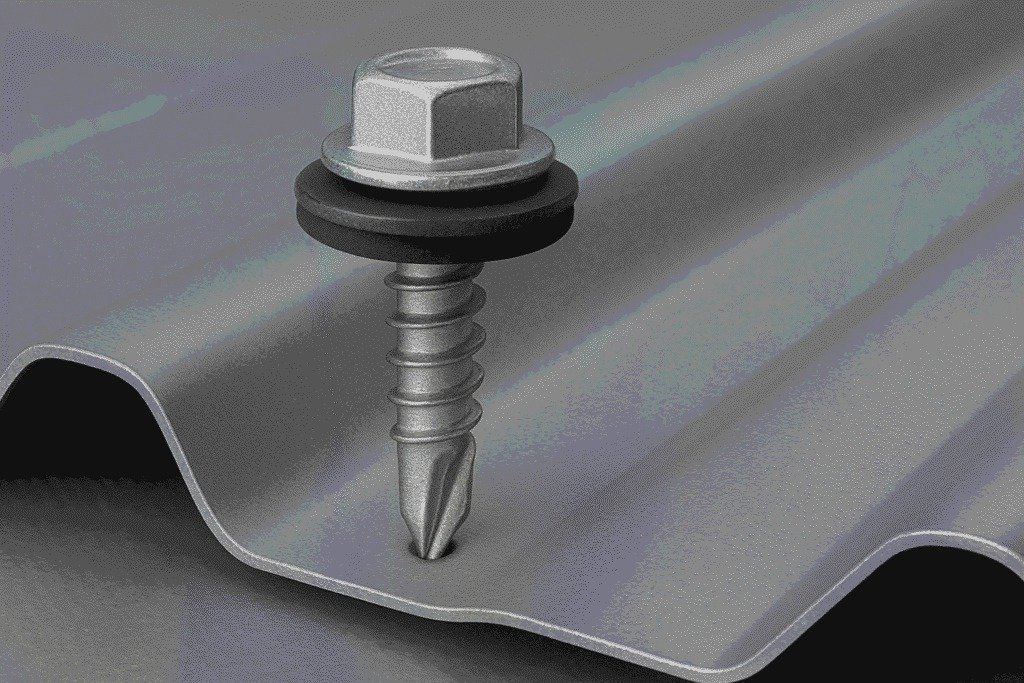
Self-drilling screws are fasteners engineered with a drill-point tip that combines the functions of a drill bit and a screw in one product. As the screw rotates, the drill point creates its own hole before the threads engage the material, allowing for quick and efficient installation.
Unlike conventional screws that require a pilot hole, self-drilling screws complete drilling and fastening in a single operation.
How Do Self-Drilling Screws Work?
The installation process is straightforward:
- The drill point penetrates the material.
- The cutting edges remove material and create the required hole.
- The threads engage immediately after drilling.
- The screw tightens securely, creating a strong mechanical joint.
This integrated process reduces installation time while improving consistency and accuracy.
Common Applications of Self-Drilling Screws
Self-drilling screws are widely used across numerous industries due to their versatility and strength.
Metal-to-Metal Fastening
Ideal for joining steel sections, sheet metal, brackets, channels, and structural components without separate drilling operations.
Roofing and Cladding
Used extensively for installing metal roofing sheets, wall cladding, insulated panels, and façade systems where secure fastening and weather resistance are critical.
HVAC Systems
Perfect for ductwork assembly, ventilation systems, and air-conditioning installations where quick installation improves project efficiency.
Drywall and Partition Systems
Specialized self-drilling screws are commonly used for fixing drywall tracks and metal framing members.
Industrial Equipment Manufacturing
Used in machinery assembly, electrical enclosures, cabinets, storage systems, and fabricated metal products.
Solar Mounting Structures
Widely used in solar panel support systems due to their reliable performance in structural steel applications.
Key Advantages of Self-Drilling Screws
Faster Installation
By combining drilling and fastening into one operation, installation time is significantly reduced.
Reduced Labor Costs
Fewer installation steps mean improved productivity and lower overall project costs.
Consistent Performance
Properly manufactured self-drilling screws produce uniform fastening results across large-scale installations.
Improved Productivity
Less tool changing and fewer operations allow installers to complete projects more efficiently.
Strong and Secure Joints
Engineered threads provide excellent holding strength while maintaining structural integrity.
Suitable for Automation
Self-drilling screws are ideal for automated production lines and repetitive industrial applications.
Understanding Drill Point Sizes
The drill point determines the thickness of material the screw can penetrate efficiently.
Common drill point classifications include:
- #1 – Thin sheet metal
- #2 – Light gauge steel
- #3 – Medium steel sections
- #4 – Heavy steel applications
- #5 – Thick structural steel
Selecting the correct drill point ensures efficient drilling without excessive wear or installation failures.
Choosing the Right Self-Drilling Screw
Several factors should be considered before selecting a fastener.
Material Type
Determine whether the screw will fasten:
- Steel to steel
- Steel to aluminium
- Metal to wood
- Composite materials
Material Thickness
Always match the drill point with the total material thickness.
Head Style
Different applications require different head designs, including:
- Hex Head
- Pan Head
- Wafer Head
- Countersunk Head
- Truss Head
Drive Type
Popular drive options include:
- Phillips
- Pozi
- Torx
- Hex Drive
Selecting the correct drive reduces cam-out and improves installation efficiency.
Corrosion Protection
For outdoor or corrosive environments, choose appropriate surface finishes such as:
- Zinc Plating
- Mechanical Galvanizing
- Trivalent Passivation
- Stainless Steel
Best Practices for Installation
Following proper installation techniques improves fastener performance and service life.
- Use the recommended driver speed.
- Apply steady pressure until drilling is complete.
- Avoid excessive torque that may strip threads.
- Use the correct driver bit for the screw recess.
- Replace worn driver bits regularly.
- Match the screw length to the application requirements.
- Inspect installed screws for proper seating and alignment.
Common Installation Mistakes to Avoid
Even high-quality fasteners may fail if installed incorrectly.
Avoid these common mistakes:
- Using the wrong drill point for material thickness.
- Applying excessive installation torque.
- Installing at an angle instead of perpendicular to the surface.
- Selecting insufficient screw length.
- Ignoring corrosion requirements.
- Reusing damaged screws.
Why Quality Matters
Not all self-drilling screws deliver the same performance.
High-quality screws are manufactured with precise drill points, accurately formed threads, controlled heat treatment, and durable protective coatings. These factors directly influence drilling efficiency, pull-out strength, corrosion resistance, and long-term reliability.
For critical construction and industrial applications, investing in quality fasteners reduces maintenance, minimizes failures, and improves overall project performance.
Final Thoughts
Self-drilling screws have transformed modern fastening by combining drilling and fastening into a single efficient process. Their speed, strength, and versatility make them an essential choice for construction, manufacturing, roofing, HVAC, and industrial applications.
However, selecting the right screw involves more than simply choosing the correct size. Understanding material compatibility, drill point selection, head style, corrosion protection, and proper installation practices ensures reliable performance and long-lasting results.
When quality fasteners are paired with proper installation techniques, projects benefit from increased productivity, improved structural integrity, and lower lifecycle costs.
At Raj Industries, we manufacture high-performance fastening solutions designed to meet demanding industrial and construction applications. Our commitment to precision engineering, consistent quality, and dependable performance helps professionals make smarter fastening decisions with confidence.