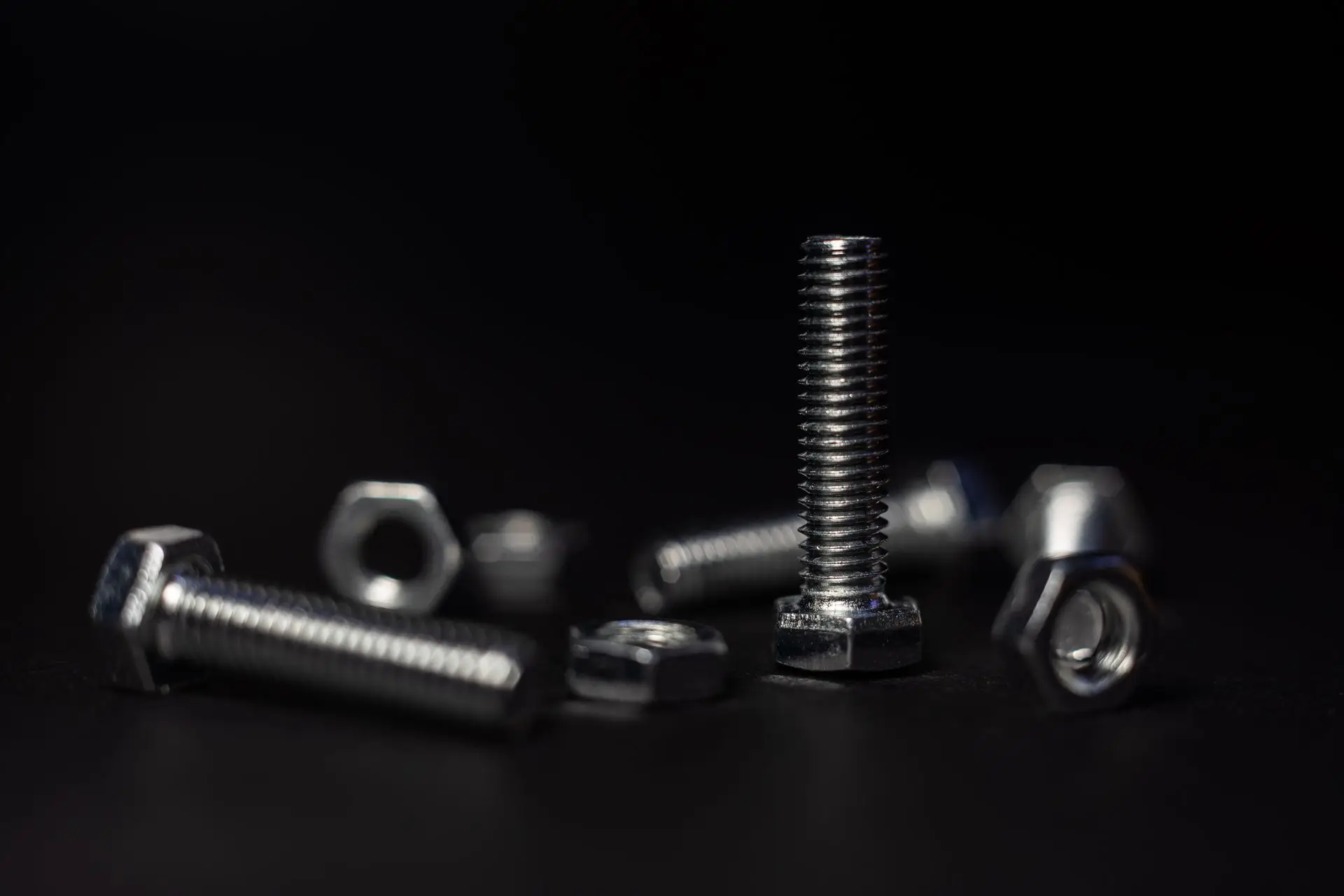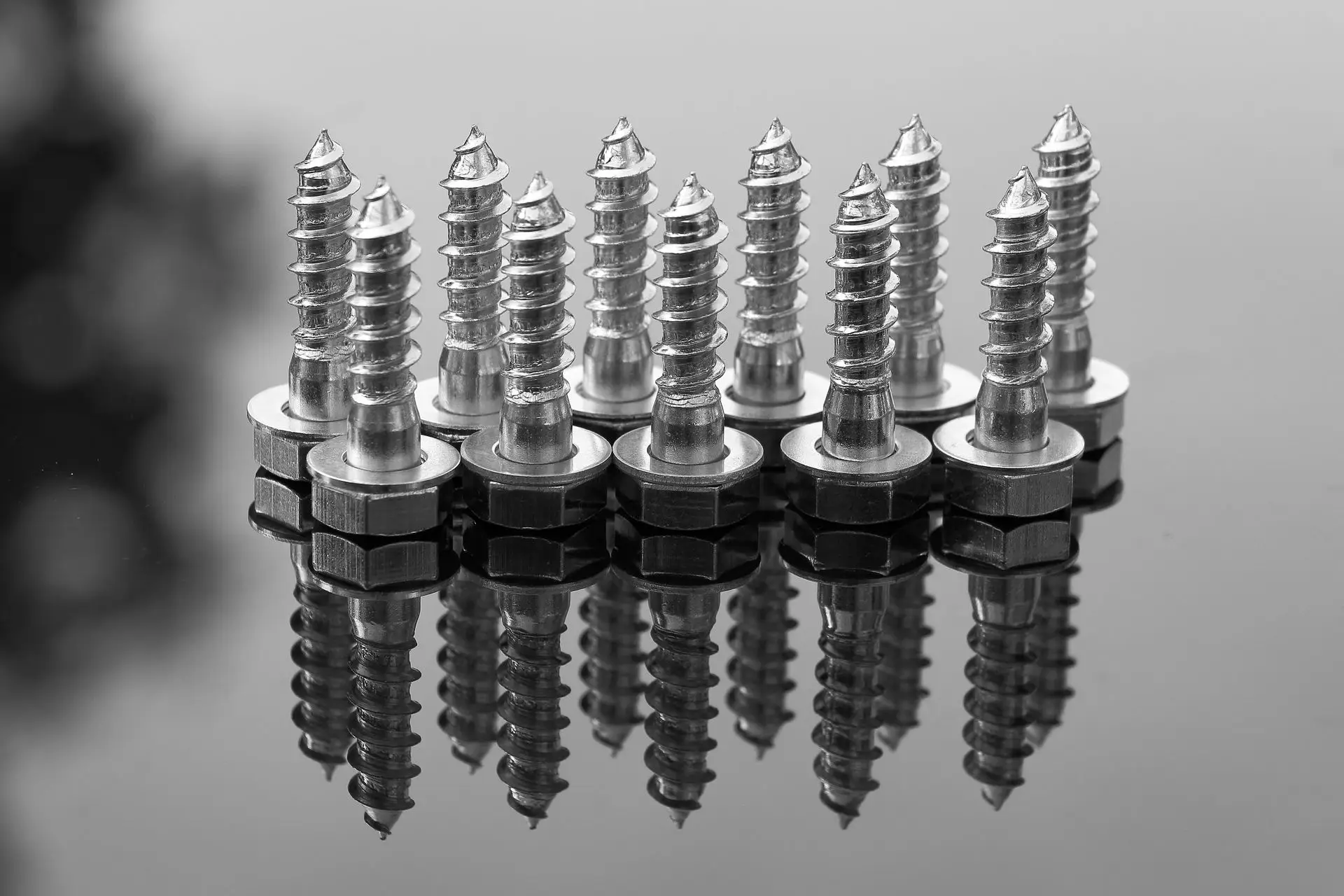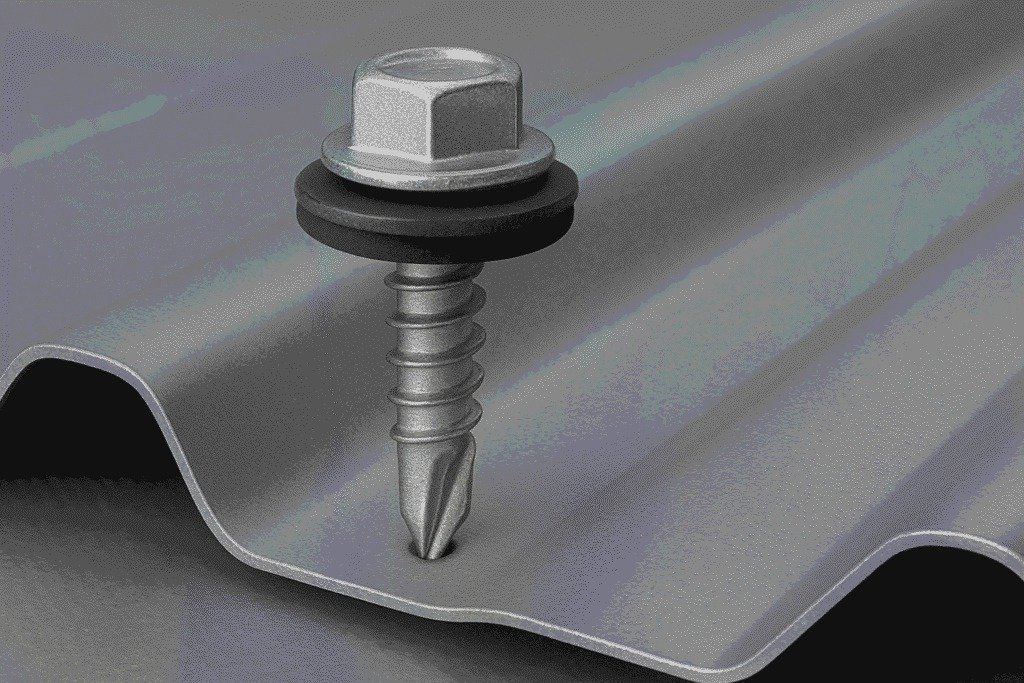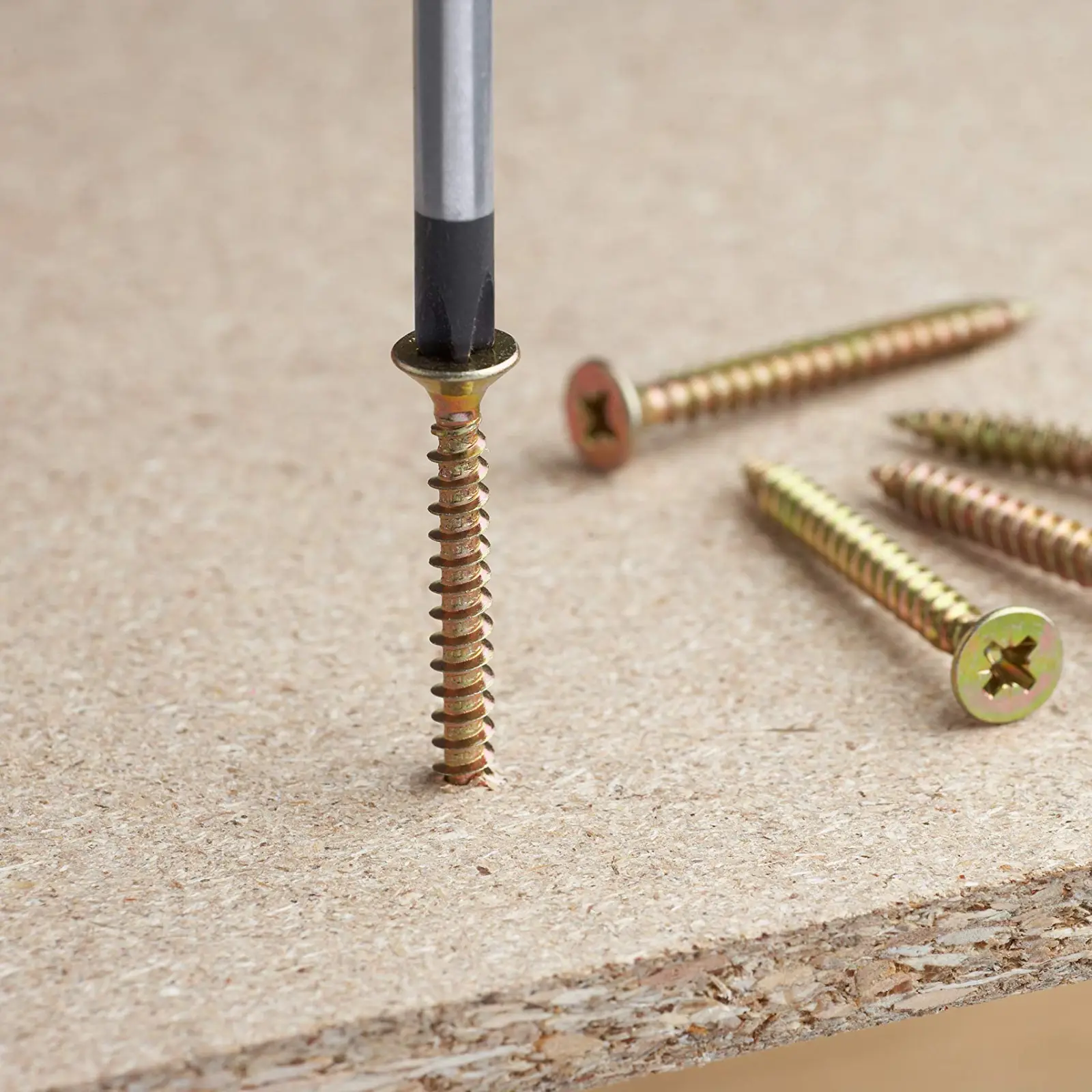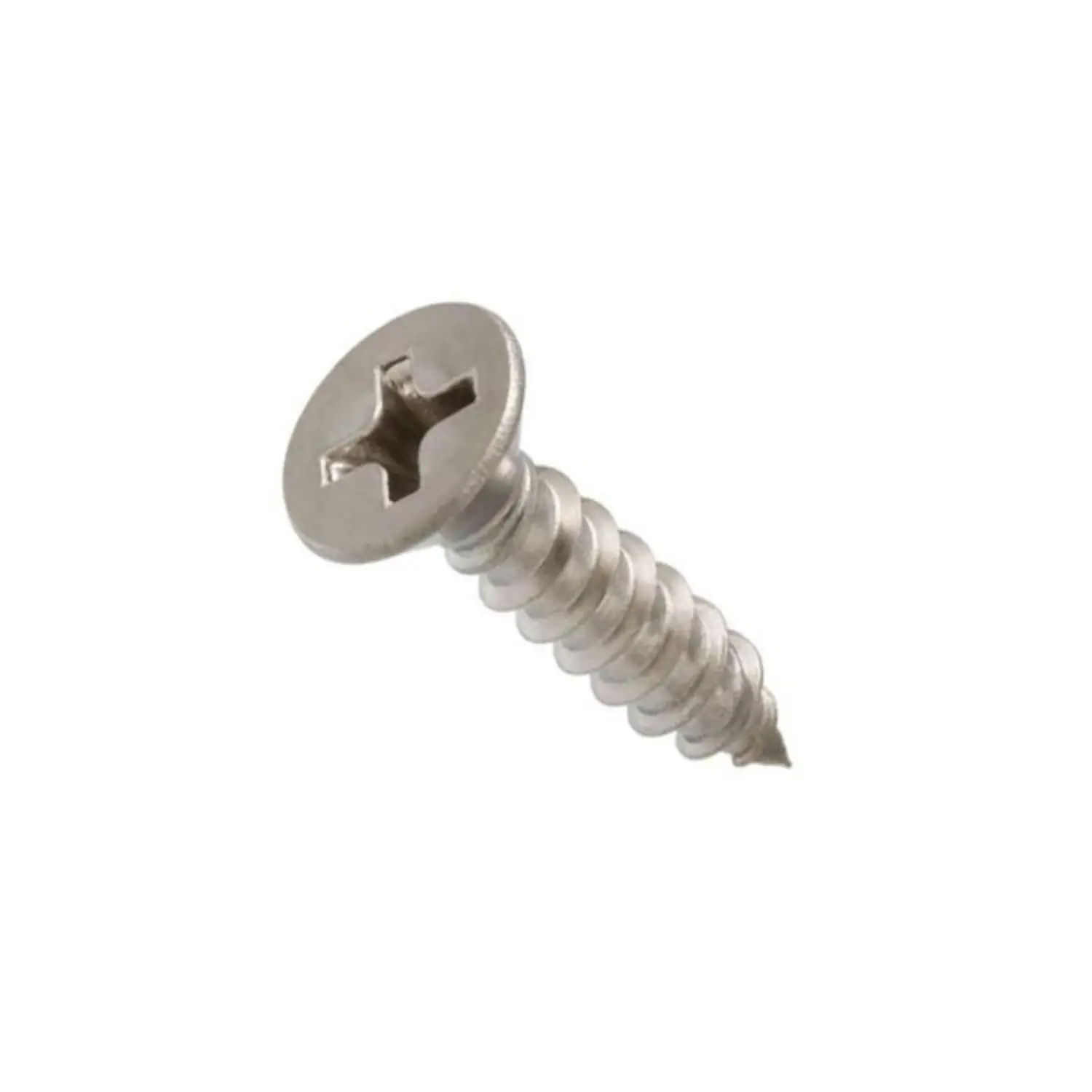

Machine screws are widely used in machinery, electrical equipment, automotive assemblies, furniture, and industrial applications where precision and secure fastening are essential. However, improper installation or selecting the wrong screw can lead to loose joints, damaged threads, and premature failure. This guide explains the most common machine screw problems and how to solve them.
What Are Machine Screws?
Machine screws are precision-threaded fasteners designed to work with tapped holes or nuts. Unlike self-tapping screws, they do not create their own threads and require pre-threaded holes or matching nuts. Their uniform threads provide excellent strength, accuracy, and reusability, making them ideal for applications requiring repeated assembly and disassembly.
Common Machine Screw Problems and Their Solutions
1. Screw Won’t Tighten
Possible Causes
- Damaged internal threads
- Incorrect screw size or thread pitch
- Cross-threading during installation
- Worn-out nut or tapped hole
Solution
- Verify the screw diameter and thread pitch.
- Replace damaged nuts or threaded components.
- Start threading by hand before using tools.
- Never force a screw into mismatched threads.
2. Cross-Threading
Possible Causes
- Screw inserted at an angle
- Excessive force during installation
- Wrong thread type
Solution
- Align the screw perpendicular to the hole.
- Begin threading manually for the first few turns.
- Replace damaged screws immediately.
- Use the correct metric or imperial thread specification.
3. Stripped Threads
Possible Causes
- Over-tightening
- Soft base material
- Repeated assembly and disassembly
- Incorrect torque
Solution
- Follow the recommended tightening torque.
- Use thread repair inserts if necessary.
- Replace severely damaged components.
- Consider larger thread sizes where applicable.
4. Loose Machine Screw
Possible Causes
- Vibration
- Thermal expansion
- Insufficient tightening torque
- Missing locking components
Solution
- Use lock washers or nylon insert lock nuts.
- Apply medium-strength thread locker where appropriate.
- Recheck torque after installation.
- Inspect assemblies exposed to continuous vibration.
5. Screw Head Damage
Possible Causes
- Incorrect screwdriver bit
- Excessive tightening force
- Low-quality driver tools
Solution
- Match the driver bit to the screw recess.
- Replace worn tools regularly.
- Apply steady downward pressure while tightening.
- Replace damaged screws instead of reusing them.
6. Corrosion or Rust
Possible Causes
- Outdoor exposure
- Moisture
- Chemical environment
- Incompatible materials
Solution
- Choose stainless steel machine screws.
- Use zinc-plated or corrosion-resistant coatings.
- Avoid mixing dissimilar metals where galvanic corrosion may occur.
- Perform regular maintenance inspections.
7. Screw Breaks During Installation
Possible Causes
- Excessive torque
- Inferior material quality
- Incorrect screw size
- Impact tool misuse
Solution
- Use calibrated torque tools.
- Select the proper strength grade.
- Avoid impact drivers unless specified.
- Purchase screws from trusted manufacturers.
8. Screw Vibrates Loose Over Time
Possible Causes
- Heavy machinery vibration
- Dynamic loading
- Lack of locking mechanism
Solution
- Install spring washers or lock washers.
- Use prevailing torque lock nuts.
- Apply thread-locking compounds.
- Schedule periodic maintenance checks.
Best Practices for Machine Screw Installation
- Select the correct screw diameter and thread pitch.
- Use the recommended tightening torque.
- Start threading by hand to prevent cross-threading.
- Keep threads clean and free from debris.
- Use the correct screwdriver or driver bit.
- Replace damaged screws immediately.
- Choose corrosion-resistant finishes for outdoor applications.
- Use locking accessories where vibration is present.
Choosing the Right Machine Screw
When selecting a machine screw, consider:
- Material: Carbon Steel, Stainless Steel, Brass, Alloy Steel
- Head Type: Pan, Countersunk, Button, Cheese, Hex Socket
- Drive Type: Phillips, Pozi, Slotted, Torx, Hex
- Thread Type: Metric or Unified
- Surface Finish: Zinc Plated, Black Oxide, Stainless Steel
- Application Environment: Indoor, outdoor, corrosive, or high-vibration conditions
Industries That Depend on Machine Screws
Machine screws are extensively used in:
- Electrical Panels
- Automotive Components
- Industrial Machinery
- Furniture Manufacturing
- HVAC Systems
- Consumer Electronics
- Medical Equipment
- Renewable Energy Installations
Why Machine Screw Quality Matters
A high-quality machine screw delivers:
- Accurate thread engagement
- High tensile strength
- Reliable torque performance
- Better vibration resistance
- Long service life
- Improved corrosion protection
- Consistent manufacturing tolerances
At Raj Industries – The Perfect Grip, we manufacture precision-engineered machine screws designed for demanding industrial applications. Every fastener is produced with strict quality control, ensuring dependable performance, accurate dimensions, and long-term durability.
Final Thoughts
Most machine screw failures result from incorrect selection, poor installation practices, or low-quality fasteners. Choosing the right machine screw, using proper installation techniques, and following recommended torque values can significantly improve reliability, reduce maintenance costs, and extend equipment life.
For projects where precision and durability matter, investing in premium-quality machine screws ensures secure fastening and dependable performance.