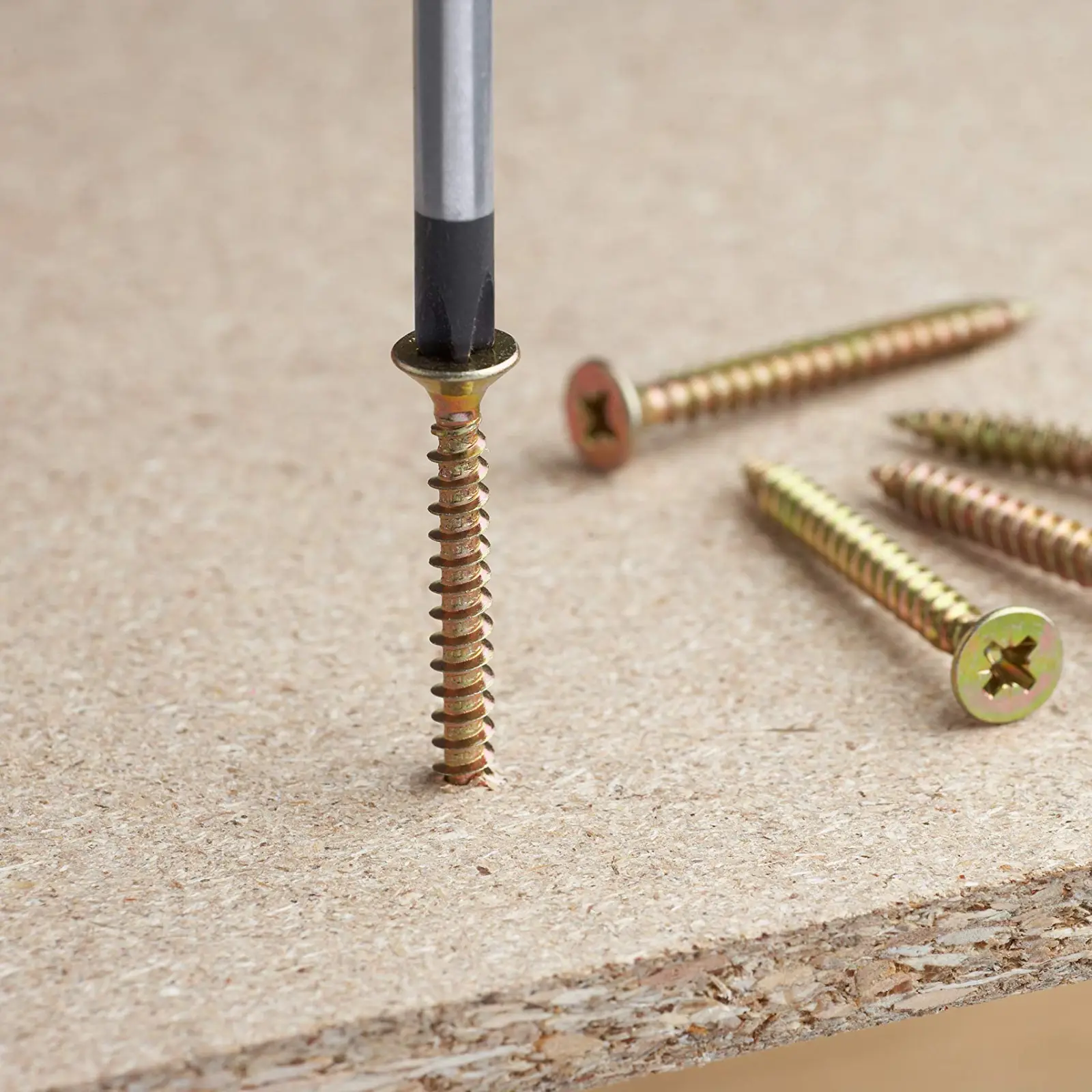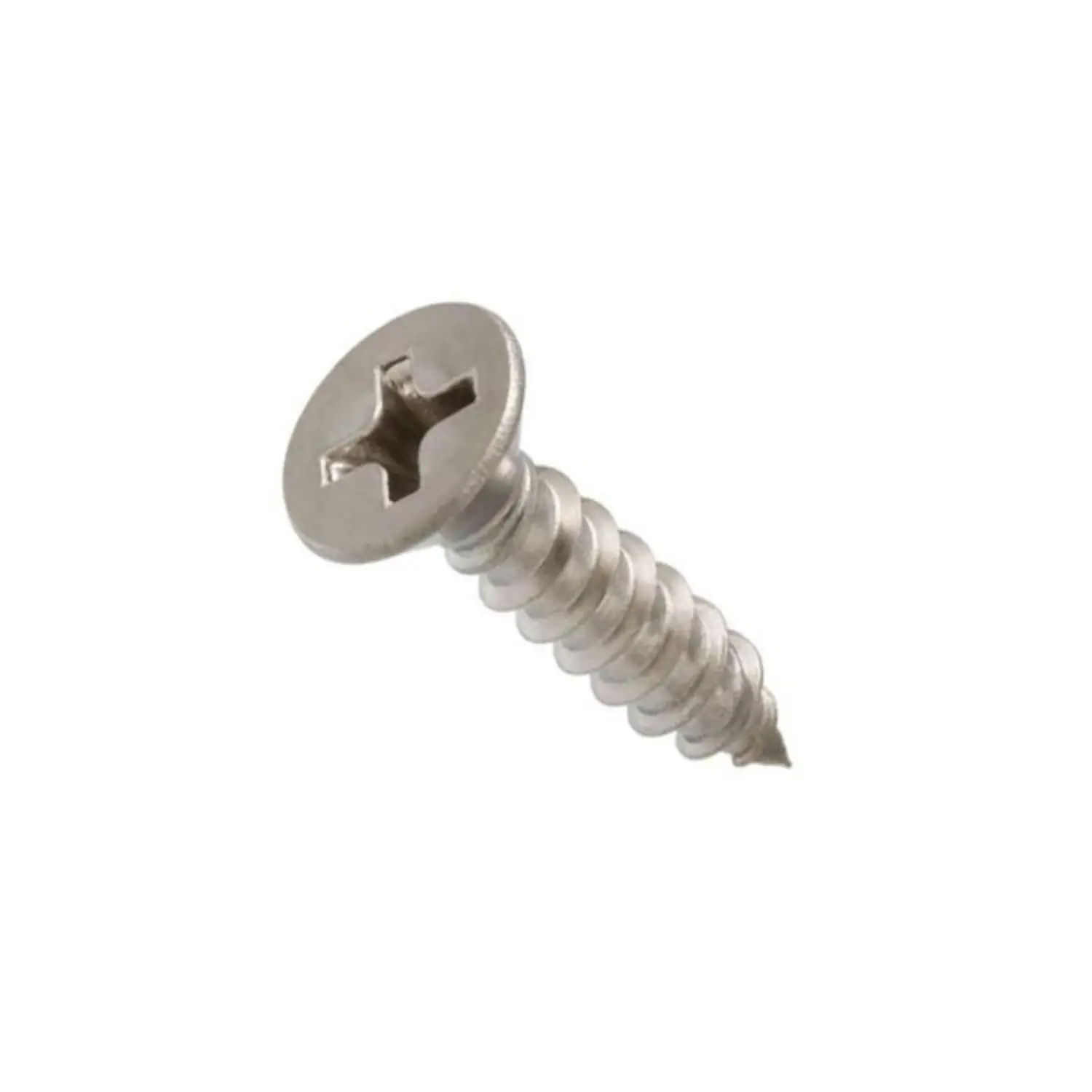

Choosing the right self-tapping screw is essential for achieving a secure, long-lasting, and professional fastening solution. Whether you’re working with sheet metal, plastic, wood, or composite materials, selecting the correct screw can improve installation speed, reduce material damage, and enhance structural strength.
What Are Self-Tapping Screws?
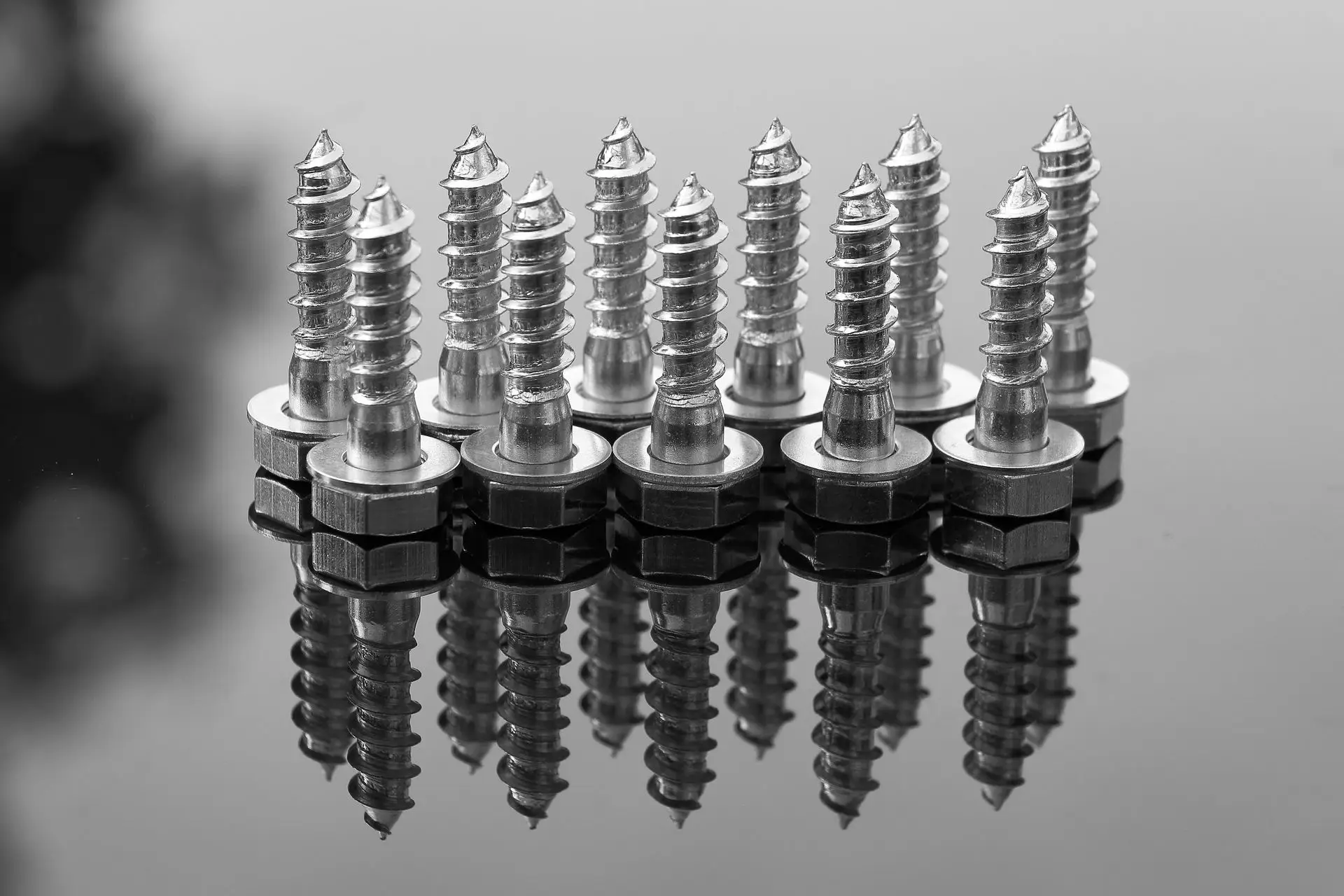
Self-tapping screws are specially designed fasteners that create their own mating threads as they are driven into a material. Unlike conventional screws, they eliminate the need for pre-threaded holes, making installation faster and more efficient. They are widely used in construction, furniture manufacturing, electrical assemblies, HVAC systems, automotive applications, and DIY projects.
Why Choose Self-Tapping Screws?
Self-tapping screws offer several advantages:
- Faster installation with fewer tools
- Strong and reliable thread engagement
- Reduced assembly time
- Easy maintenance and replacement
- Suitable for multiple materials
- Cost-effective fastening solution
How to Select the Right Self-Tapping Screw
1. Identify the Material
Different materials require different screw designs.
- Metal: Fine-thread screws provide better grip.
- Wood: Coarse-thread screws ensure stronger holding power.
- Plastic: Sharp-thread screws minimise cracking.
- Composite Panels: Choose screws designed specifically for engineered materials.
2. Choose the Correct Thread Type
The thread determines how effectively the screw forms new threads.
- Fine Thread – Thin metals
- Coarse Thread – Wood and soft materials
- High-Low Thread – Plastics and composites
3. Select the Proper Point Style
The screw point affects installation.
- Sharp Point – Requires a pilot hole in harder materials.
- Self-Piercing Point – Easier entry into softer materials.
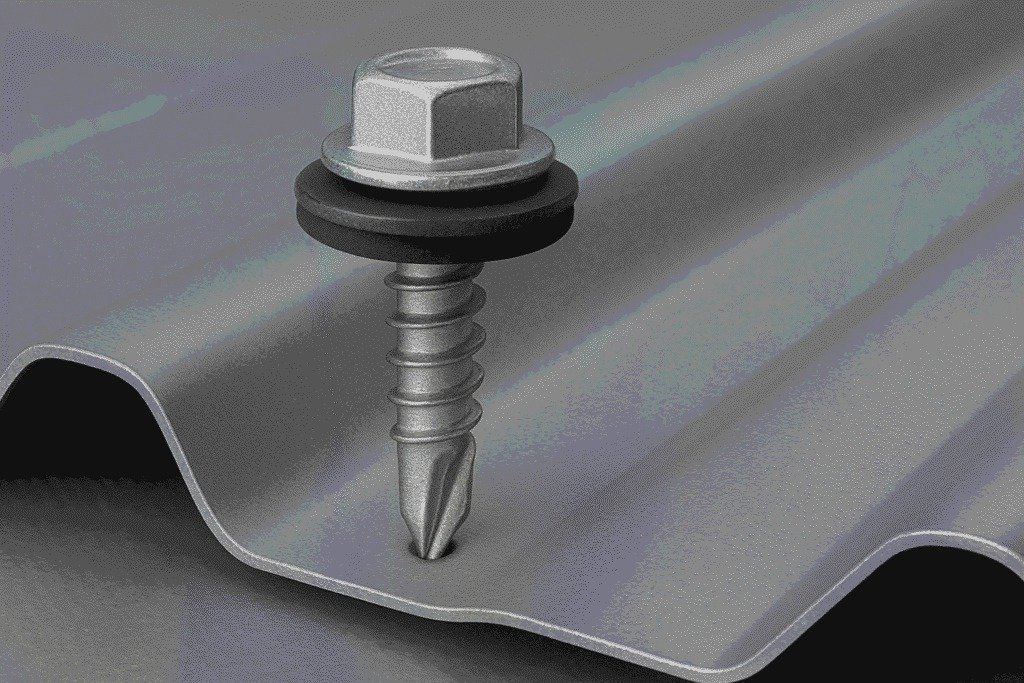
For thicker steel, consider a self-drilling screw instead of a self-tapping screw, as it combines drilling and fastening in one operation.
4. Pick the Right Length
A good rule is that the screw should penetrate the base material by at least one to one-and-a-half times its diameter for optimum holding strength.
Avoid screws that are:
- Too short (weak holding)
- Too long (may damage the opposite side)
5. Select the Head Type
Different applications require different head styles.
- Pan Head – General-purpose fastening
- Countersunk Head – Flush finish
- Hex Head – High-torque industrial applications
- Truss Head – Wide bearing surface
6. Consider the Coating
Surface finish improves durability.
- Zinc Plated – Indoor use
- Yellow Zinc – Better corrosion resistance
- Stainless Steel – Outdoor and marine environments
- Ruspert or Specialised Coatings – Harsh industrial conditions
How to Install Self-Tapping Screws Correctly
Follow these simple steps:
- Select the correct screw for the material.
- Mark the fastening location accurately.
- Drill a pilot hole if required.
- Align the screw perpendicular to the surface.
- Use the correct screwdriver bit.
- Drive the screw at a steady speed.
- Stop tightening once the head sits firmly against the surface.
Tip: Avoid over-tightening, which can strip the newly formed threads.
Common Mistakes to Avoid
- Using the wrong thread type
- Selecting an incorrect screw length
- Over-tightening the screw
- Ignoring corrosion protection requirements
- Using self-tapping screws where self-drilling screws are required
- Using worn or incorrect driver bits
Industries That Use Self-Tapping Screws
Self-tapping screws are trusted across numerous industries:
- Construction
- Roofing & Cladding
- Furniture Manufacturing
- Electrical Panels
- HVAC Systems
- Automotive Industry
- Modular Buildings
- Metal Fabrication
Why Quality Matters
Not all self-tapping screws deliver the same performance. Precision manufacturing, consistent thread geometry, high-quality steel, and reliable protective coatings ensure:
- Better pull-out strength
- Smooth installation
- Reduced thread stripping
- Long-term corrosion resistance
- Consistent performance across every application
At Raj Industries – The Perfect Grip, we manufacture premium-quality self-tapping screws engineered for strength, precision, and durability. Our products are designed to meet demanding industrial applications while delivering consistent performance and reliable fastening solutions.
Final Thoughts
Selecting the correct self-tapping screw is about more than just size. Material compatibility, thread design, point type, head style, coating, and installation technique all contribute to a secure and long-lasting fastening solution. By choosing the right fastener for your application, you improve efficiency, reduce maintenance, and ensure dependable performance for years to come.