
Drywall installation may look simple, but the performance of a drywall system depends heavily on the fasteners used. A screw that is incorrectly selected, improperly driven, or poorly manufactured can lead to issues such as screw pops, damaged boards, stripped recesses, poor holding power, and premature failure.
For contractors, installers, and manufacturers, understanding why drywall screws fail is essential for achieving a secure, clean, and durable installation.
Here are seven common drywall screw problems and how to prevent them.
1. The Screw Is Too Deep
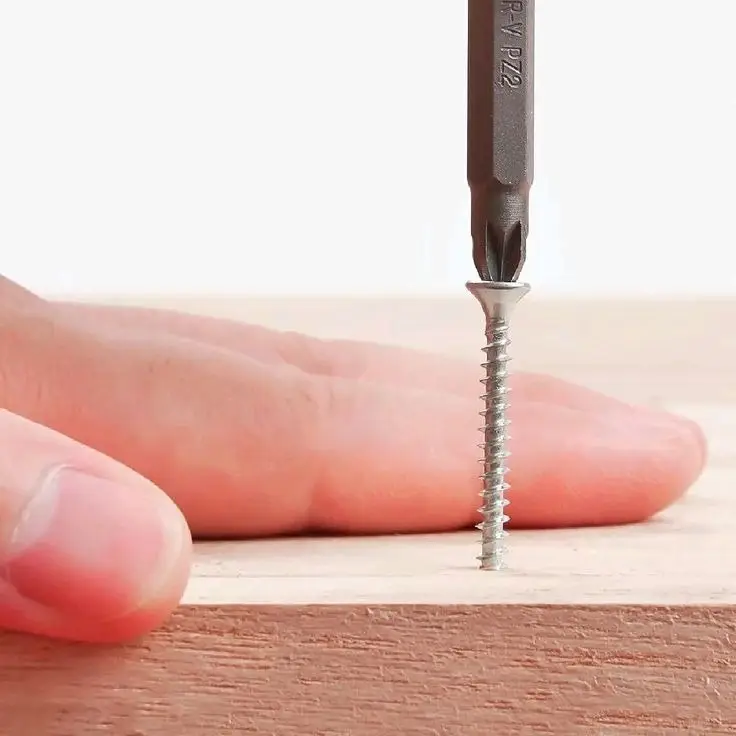
One of the most common mistakes during drywall installation is driving the screw too far into the board.
A drywall screw should penetrate the board sufficiently to secure it to the framing without breaking through the paper face. If the screw head is driven too deeply, it can break the paper surface and reduce the board’s holding capability.
How to prevent it
Use an appropriate screw depth setting or depth-sensitive driver. The screw head should sit slightly below the surface of the drywall without tearing through the paper.
The goal is simple: secure the board without damaging its surface.
2. The Screw Is Not Deep Enough
The opposite problem can also occur.
If a screw head remains above the drywall surface, it can interfere with finishing and create visible bumps beneath joint compound or paint.
Insufficient penetration can also reduce the effectiveness of the fastening connection, depending on the application and framing material.
How to prevent it
Maintain consistent driving depth and use the correct screw length for the thickness of the drywall and the substrate.
3. Wrong Screw Length
Not every drywall application requires the same screw length.
Using a screw that is too short may provide insufficient engagement with the framing. Using one that is unnecessarily long can increase the risk of damaging concealed services or creating installation problems.
The correct length depends on factors such as:
- Drywall thickness
- Number of board layers
- Framing material
- Application requirements
- Required penetration into the substrate
How to prevent it
Select the screw based on the complete assembly rather than simply choosing a screw based on the drywall thickness.
Correct screw length = proper penetration + secure fastening + application suitability.
4. Stripped Drive Recess
A stripped Phillips or other drive recess can turn a simple installation into a frustrating one.
This can happen because of:
- Poor bit engagement
- Incorrect driver bit
- Excessive driving force
- Incorrect installation angle
- Inconsistent screw manufacturing
- Poor recess geometry
Once the drive recess is damaged, removing or properly seating the screw becomes difficult.
How to prevent it
Use the correct driver bit and maintain proper alignment between the bit and screw. For manufacturers, maintaining consistent recess dimensions and production quality is equally important.
A reliable screw should provide consistent bit engagement throughout installation.
5. Screw Pops After Installation
A screw pop occurs when a fastener becomes visible through the finished drywall surface.
This can happen because of movement within the drywall assembly or framing, improper installation, insufficient fastening, or changes in the materials surrounding the fastener.
Screw pops are particularly problematic because they can appear after finishing and painting, requiring additional repair work.
How to reduce the risk
Proper installation is critical:
- Use suitable drywall fasteners.
- Follow the required fastening pattern.
- Avoid damaging the drywall paper.
- Ensure screws are properly seated.
- Account for movement in the framing and board assembly.
The fastener is only one part of the system, but its installation plays an important role in long-term performance.
6. Corrosion and Coating Issues
Drywall screws are often supplied with protective coatings designed for their intended application.
If the coating is unsuitable for the environment, damaged during manufacturing, or inconsistent, corrosion resistance can be compromised.
This becomes particularly important in areas where humidity or moisture exposure is higher.
How to prevent it
Choose a screw with a coating appropriate for the intended environment and application.
Manufacturing consistency matters here. Coating thickness, surface preparation, passivation, and overall coating quality can all influence corrosion performance.
A screw’s surface is not just about appearance. It is part of its performance.
7. Poor Thread Engagement
Thread design plays a major role in how a drywall screw interacts with the substrate.
If the thread geometry is unsuitable for the application, installation can become difficult or the screw may not achieve the expected holding performance.
Different drywall applications may require different screw configurations depending on whether the substrate is wood, metal, or another material.
How to prevent it
Always match the screw design to the substrate.
Consider:
- Thread type
- Thread pitch
- Point design
- Screw diameter
- Substrate material
- Board thickness
- Installation method
The right screw is not simply the one that fits the driver. It is the one engineered for the complete fastening application.
What Makes a Reliable Drywall Screw?
A quality drywall screw should provide more than basic fastening.
Consistent Dimensions
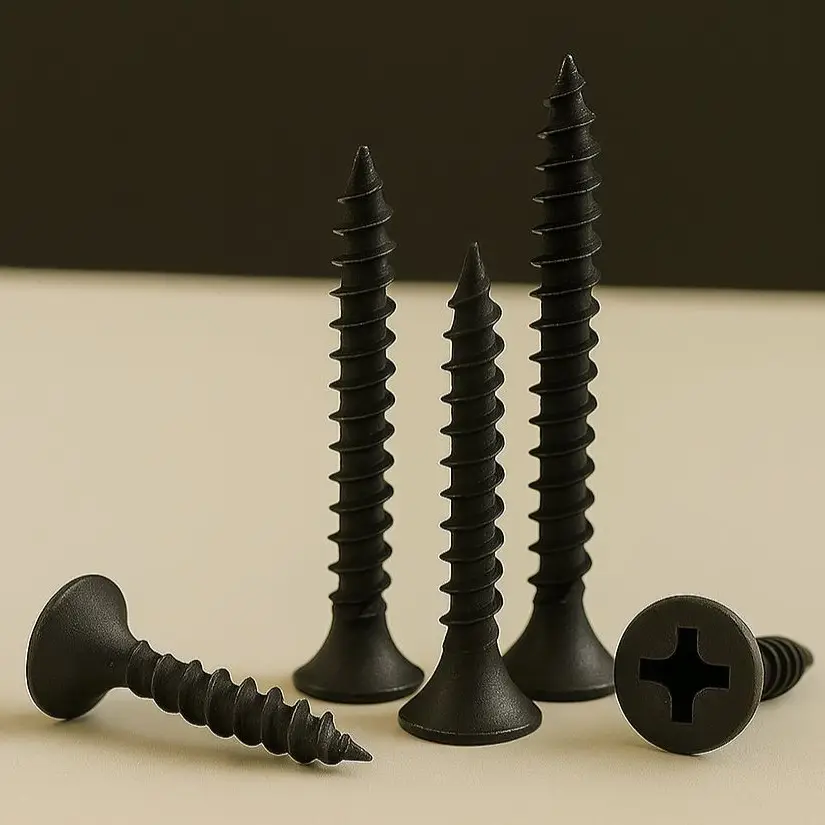
Consistent diameter, length, thread geometry, and head dimensions help maintain predictable installation performance.
Reliable Drive Recess
A properly manufactured recess allows effective engagement with the driver bit and helps reduce stripping during installation.
Appropriate Point Geometry
The screw point should be suitable for the intended substrate and designed to support smooth penetration.
Consistent Thread Formation
Uniform threads contribute to predictable engagement with the material.
Suitable Surface Protection
The coating should be appropriate for the intended application and provide the required level of corrosion resistance.
Manufacturing Quality
Even small variations in fastener geometry can influence installation performance. This is why dimensional control and process consistency are critical in fastener manufacturing.
Installation Quality Matters Too
Even a well-manufactured drywall screw can perform poorly if it is installed incorrectly.
Installers should pay attention to:
1. Screw spacing
Follow the fastening pattern specified for the particular drywall system.
2. Driving depth
Seat the screw correctly without breaking through the drywall paper.
3. Driver alignment
Keep the bit aligned with the screw to reduce recess damage.
4. Screw selection
Choose the appropriate screw for the board and framing material.
5. Installation equipment
Use suitable bits, drivers, and settings for the application.
Good fastening performance comes from the combination of the right screw + the right installation method + the right application.
Final Takeaway
Drywall screw failure is rarely caused by just one factor.
Screw selection, thread design, point geometry, coating, manufacturing consistency, installation depth, driver engagement, and substrate compatibility can all influence the final result.
For manufacturers and professional installers, the focus should therefore be on more than simply producing or selecting a screw that fits.
The real objective is predictable fastening performance.
At Raj Industries, fastener manufacturing is built around precision, consistency, and application-focused engineering — because in construction, a small fastener can play a critical role in the strength and reliability of the entire assembly.
Raj Industries — The Perfect Grip.