
When it comes to selecting the right fastener for an application, the head design of a screw plays a much bigger role than simply determining how the screw looks after installation. The shape and geometry of the screw head directly influence how the fastener sits on the material, how the load is distributed, the type of finish achieved, and whether the final assembly has sufficient clearance.
As part of our “Understanding Fasteners” series, Chapter 01 focuses on one of the most important parts of a screw—the head.
In Episode 02, we take a closer look at the Flat Head Screw and understand why its countersunk design makes it a preferred choice for applications where a flush and clean finish is required.
What Is a Flat Head Screw?
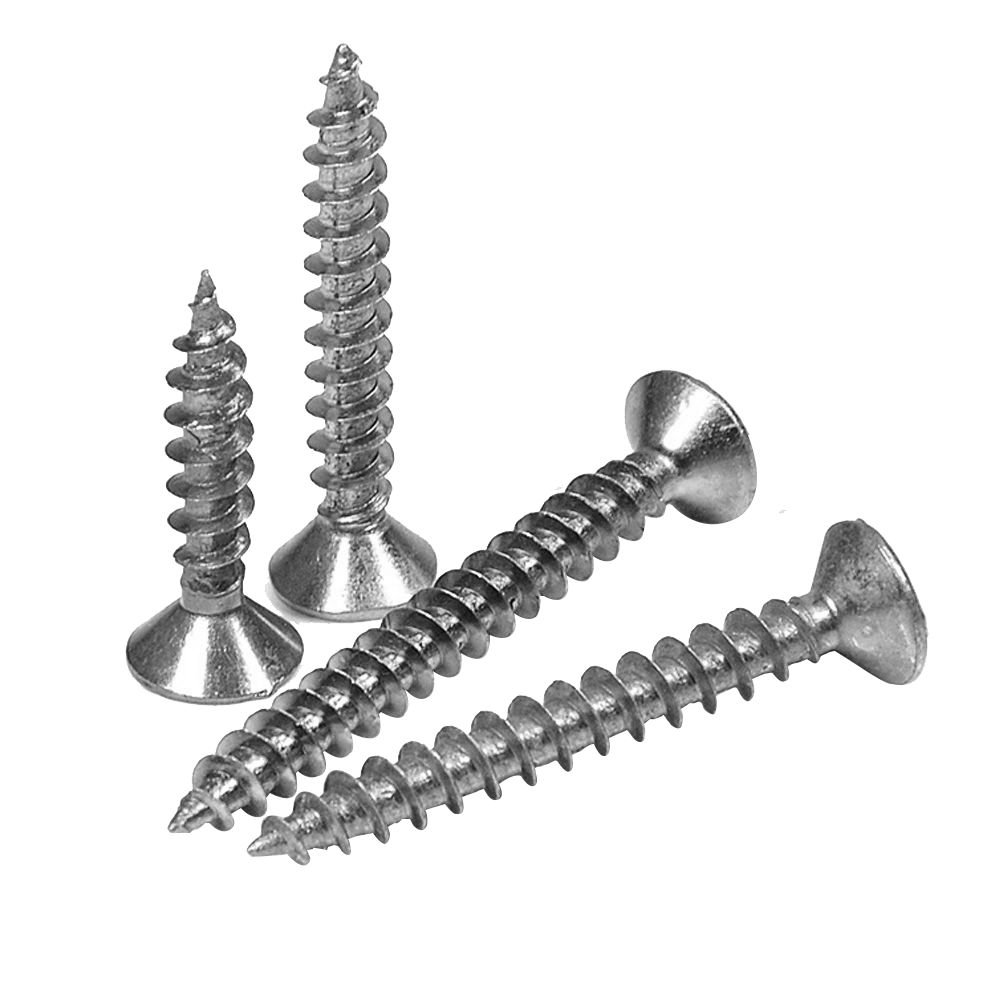
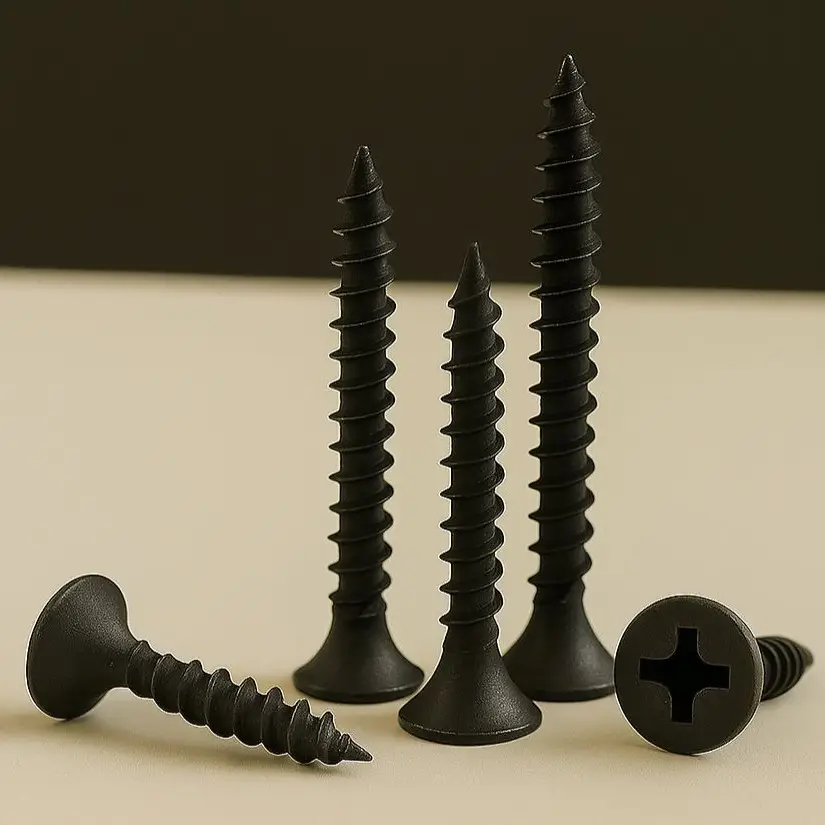
A Flat Head Screw is a fastener designed with a flat top surface and an angled underside that allows the head to sit within a countersunk recess in the material.
Unlike raised-head screws such as Pan Head Screws, a Flat Head Screw is designed to become flush with the surrounding surface when installed correctly.
This design provides two important benefits:
- A clean and smooth surface finish
- Reduced interference from a protruding screw head
The flat appearance of the head may seem simple, but its geometry is carefully designed to work with a countersunk hole.
Understanding the Flat Head Design
The most defining feature of a Flat Head Screw is the angled portion underneath the head.
This angled surface creates a conical profile that allows the screw head to gradually seat into a countersunk opening.
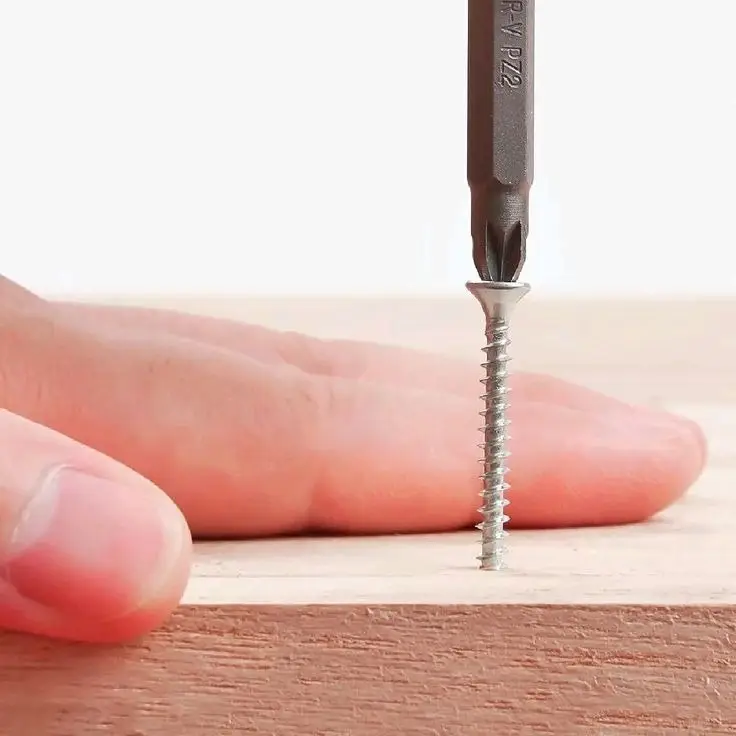
When the screw is driven into the correctly prepared hole:
- The angled underside engages with the countersunk surface
- The screw head moves into the recess
- The top of the head approaches the surface level
- The finished installation becomes flush or nearly flush
This makes the Flat Head particularly useful in assemblies where a raised screw head could interfere with other components or affect the final appearance.
Why Is a Flush Finish Important?
In many applications, a screw head that remains above the surface can create practical problems.
A protruding head may:
- Interfere with moving components
- Catch against other surfaces
- Affect the appearance of the finished product
- Create clearance problems
- Make subsequent finishing processes more difficult
Flat Head Screws help overcome these issues by allowing the fastener to sit within the material rather than remaining prominently above it.
This is especially valuable in applications where both functionality and aesthetics matter.
The Role of Countersinking
A Flat Head Screw is designed to work with a countersunk hole.
Countersinking creates an angled recess around the entrance of the hole that matches the underside of the screw head.
When the geometry of the screw and countersunk hole are compatible, the head can seat properly and produce a more uniform finish.
However, countersinking needs to be done correctly.
A countersink that is too shallow may leave the screw head protruding.
A countersink that is too deep may allow the screw to sit excessively below the surface and potentially remove too much material.
The objective is simple:
Create enough space for the screw head to seat correctly without unnecessarily weakening the surrounding material.
Where Are Flat Head Screws Commonly Used?
Flat Head Screws are widely used across applications where a flush installation is desirable.
Common applications include:
- Furniture and cabinetry
- Woodworking
- Modular furniture
- Doors and hardware
- Metal fabrication
- General construction
- Electrical and equipment assemblies
- Interior and architectural applications
The exact type of Flat Head Screw required depends on the material, joint design, required strength, screw dimensions, drive type, and environmental conditions.
Flat Head Screws in Furniture Manufacturing
Furniture manufacturing is one area where head design can significantly influence the final product.
In furniture and cabinetry, exposed screw heads can affect both the appearance and usability of a finished surface.
A properly installed Flat Head Screw can provide:
- A cleaner visual appearance
- Better surface clearance
- Reduced risk of the screw head catching on objects
- Easier finishing and covering
- A more professional appearance
This makes the correct screw head selection an important consideration during furniture assembly.
Flat Head vs Pan Head Screws
One of the easiest ways to understand Flat Head Screws is to compare them with Pan Head Screws.
Flat Head Screw
- Flat top profile
- Angled underside
- Designed for countersunk installation
- Can sit flush with the material
- Preferred where surface clearance and appearance are important
Pan Head Screw
- Rounded, raised head
- Typically sits above the material
- Does not require the same countersunk seating
- Provides a visible raised head
- Commonly selected where a raised head is acceptable or desirable
Neither design is universally better.
The correct choice depends on the application.
A fastener should always be selected based on what the joint requires—not simply on how the screw looks.
Common Mistakes When Installing Flat Head Screws
Even when the correct screw has been selected, improper installation can compromise the final result.
1. Incorrect Countersink Depth
If the countersink is not deep enough, the screw head may remain above the surface.
This can affect both appearance and clearance.
2. Excessive Countersinking
Removing too much material can weaken the area around the fastener.
The countersink should provide adequate seating without unnecessarily compromising the material.
3. Driving the Screw at an Angle
A Flat Head Screw should generally enter the prepared hole in proper alignment.
An angled installation can result in uneven seating and may affect the quality of the joint.
4. Overdriving the Screw
Applying excessive torque can push the screw too deeply into the material.
In softer materials, this may damage the surface around the head and reduce the quality of the finished joint.
5. Using the Wrong Screw for the Material
A Flat Head design alone does not determine whether a screw is suitable for an application.
Thread design, material, coating, diameter, length, and mechanical requirements must also be considered.
Choosing the Right Flat Head Screw
Selecting the right Flat Head Screw involves more than choosing the correct head shape.
Before selecting a fastener, consider:
- Material being fastened
- Required screw diameter
- Required screw length
- Thread configuration
- Head angle and dimensions
- Drive type
- Coating or surface treatment
- Corrosion requirements
- Required holding strength
- Installation method
For demanding industrial applications, fastener specifications and applicable standards should also be considered to ensure the product meets the required performance criteria.
Why Head Geometry Matters
A screw head is not merely the part you see after installation.
Its geometry determines how the fastener interacts with the material and how the joint behaves during installation.
With a Flat Head Screw, the relationship between the head angle, countersunk recess, material thickness, and installation depth is particularly important.
A well-designed fastener combined with correct installation can provide a clean and reliable joint.
A mismatch between the fastener and application, however, can create unnecessary problems.
The Engineering Behind a “Flat” Head
The name may be simple, but the design is functional.
The flat top provides the visible flush profile, while the angled underside allows the head to transition into the material.
This combination allows Flat Head Screws to solve a specific engineering requirement:
How do you secure a component while keeping the fastener head from unnecessarily standing above the surface?
The answer is in the geometry.
The Takeaway
A Flat Head Screw is more than just a screw with a flat top.
Its countersunk design allows it to sit flush with the surrounding material when the correct preparation and installation technique are used.
From furniture and cabinetry to fabrication and general assembly, Flat Head Screws are valuable wherever secure fastening, surface clearance, and a clean finish need to work together.
Because understanding the head is the first step toward understanding the fastener.
Conclusion
Every part of a fastener has a purpose, and the head is no exception.
The Flat Head Screw is designed to provide a flush installation by working together with a properly prepared countersunk hole. When the correct screw is matched with the right material, dimensions, installation method, and application requirements, it can contribute to a clean, efficient, and reliable assembly.
So the next time you see a screw sitting perfectly flush with a surface, look a little closer.
That “flat” head is not just about appearance.
It is engineering by design.